Hand Copying the Bible


In Bible times, besides the copies of the Scriptures made by the Levitical scribes, the kings copied a Bible for themselves. “And it shall be, when he [a king] sitteth upon the throne of his kingdom, that he shall write him a copy of this law in a book….that he may learn to fear the  LORD his God, to keep all the words of this law and these statutes, to do them:” Deut. 17:18,19

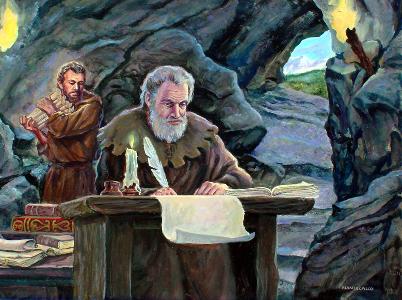
It is no small task to hand copy or transcribe the Bible. Columba, the 6th-century missionary of Iona, Ireland, "is credited with transcribing 300 copies of the New Testament by hand..." 

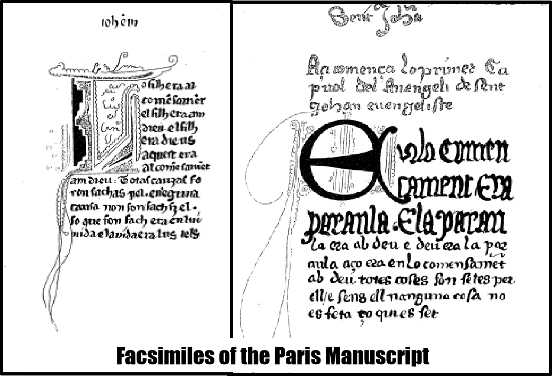
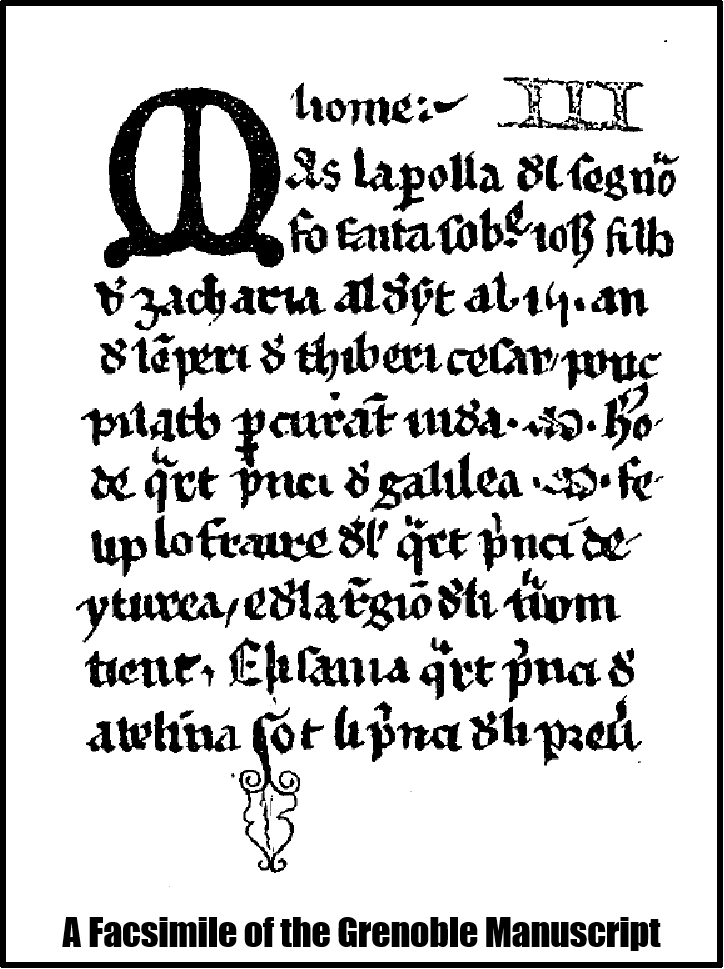
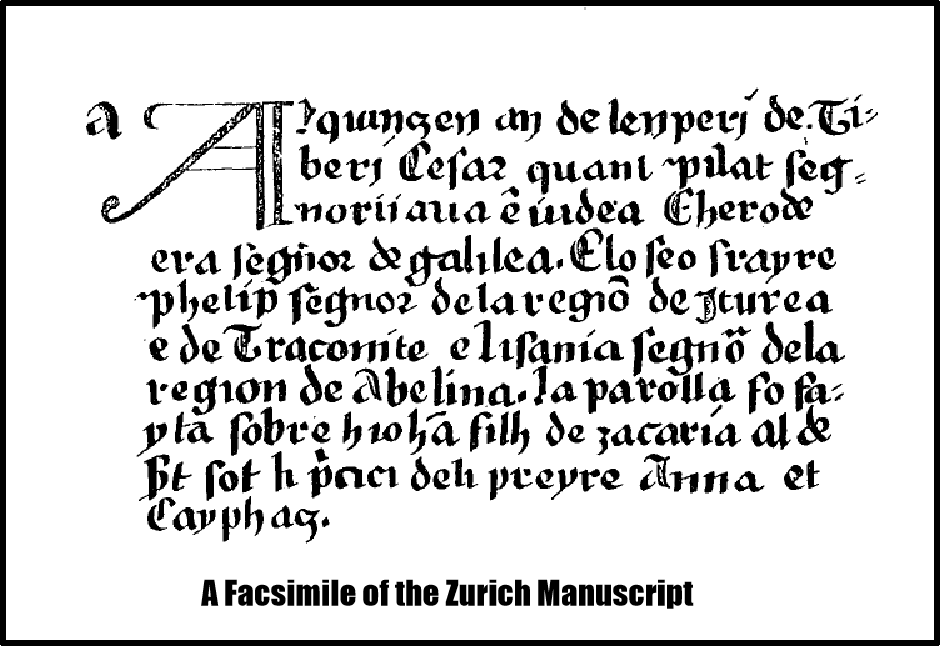
Of course, before the invention of the printing press, this was the only way for more people to be able to receive a copy of the scriptures to read. Because of this, the Waldenses were also known for copying and giving out many copies of the scriptures. A few of their manuscripts are still available today. Below are a few facsimiles of some of them from a book called, The Romaunt Version of the Gospel According to St. John.


Today, although printing has made Bibles more accessible, hand-copying the Bible or writing out a book of the Bible may aid tactile learners who learn best through things that they can touch. I decided to test out the idea of writing out my own copy of the Bible, and here are some of the things I discovered. 
 

In order to write out your copy of the Bible, you will want to decide on a script to use (cursive, print, calligraphy) and also a format (drop-caps/fancy first letter or plain, and how you want to mark chapters and verses.
To do this, you need to consider your purpose. If it is a memory aid for you any script will do. If you would like to write out the Bible to share with others, you may want to use lettering that is easy to read instead of cursive or calligraphy. If you decide to do a fancy drop-cap first letter for the beginning of each chapter, you may also want to spend some time practicing how you want to write these letters. Also, consider how you want to deal with words in italics. You can try to write in slanted italics, leave them plain, or add brackets to differentiate these words. 
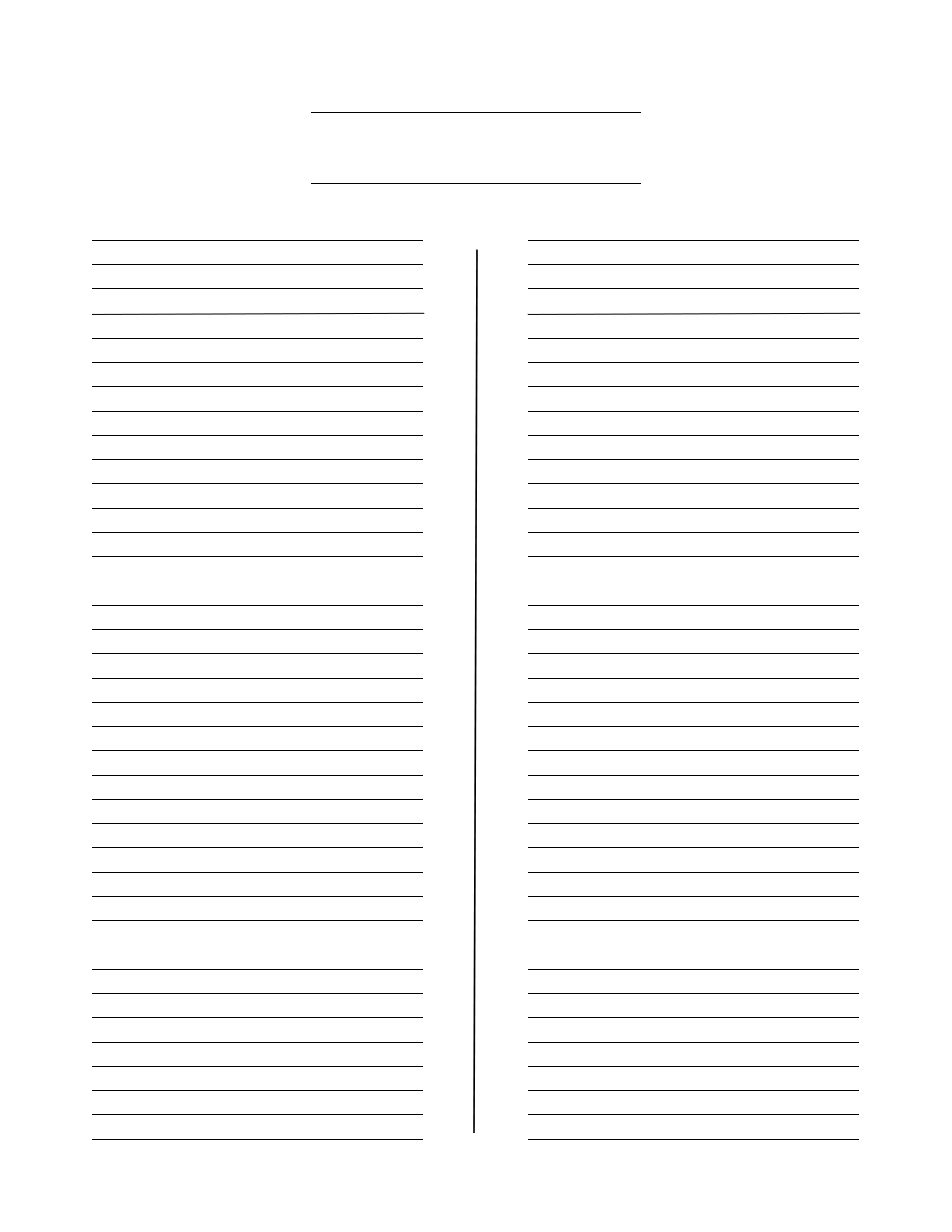
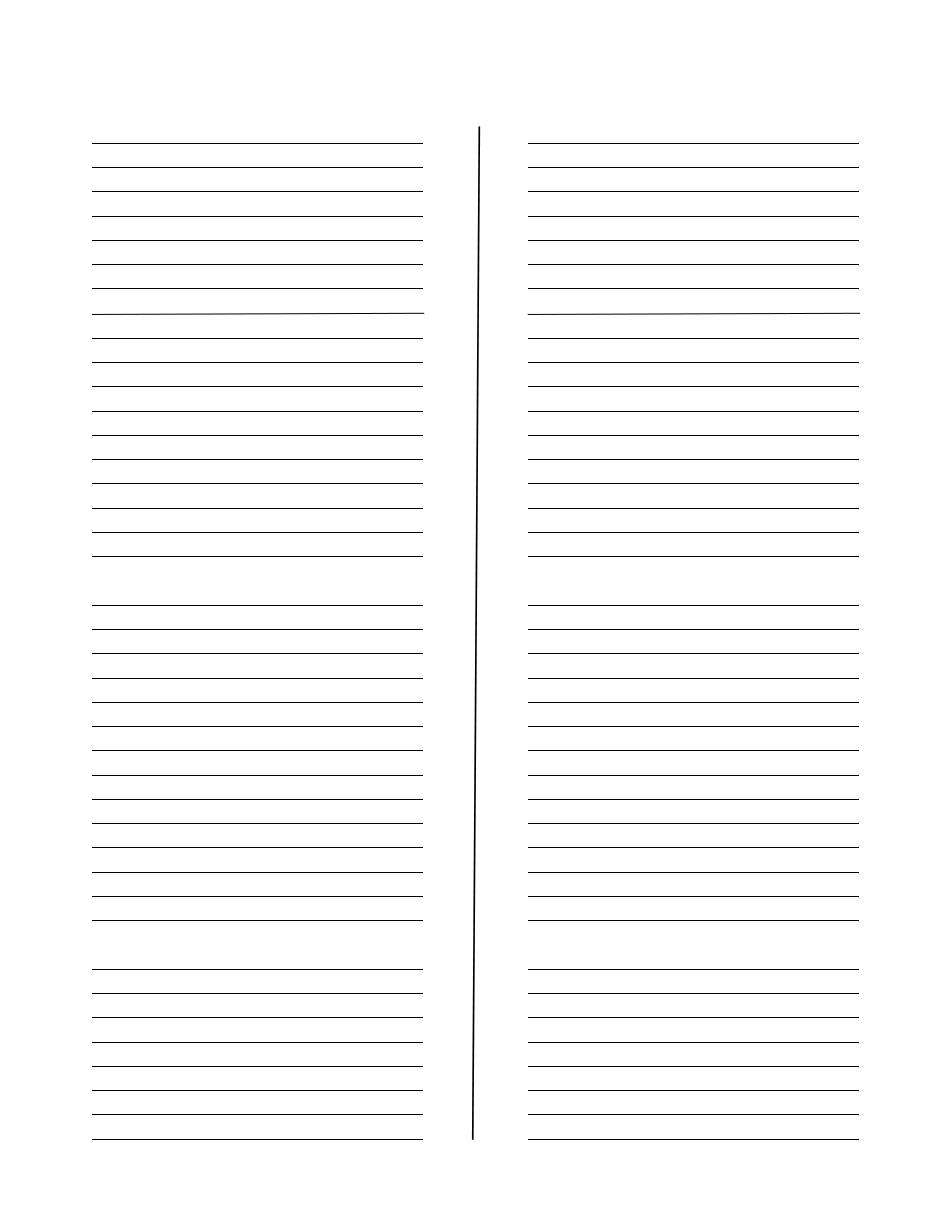
You also will want to pick a good pen (since several will likely be required) and decide what kind of paper you prefer. I used regular copy paper, but since I was unable to find any free, downloadable, printable "Bible-ruled" paper with two columns AND an option for a Title page with a header to write the name of the book of the Bible, I made my own. I will share it with you below.
 We have regular page with lines all the way to the top or title page options. Also, you may choose between lightly-lined (write-on) options or dark (to use behind the page you are writing on) 
These are available to download below.
Bible-ruled Title page paper.pdf Bible-ruled Title page paper.pdf
Size : 176.281 Kb
Type : pdf
Bible-ruled paper.pdf Bible-ruled paper.pdf
Size : 194.931 Kb
Type : pdf
Dark Bible-ruled Title page paper.pdf Dark Bible-ruled Title page paper.pdf
Size : 1.531 Kb
Type : pdf
Dark Bible-ruled paper.pdf Dark Bible-ruled paper.pdf
Size : 1.563 Kb
Type : pdf

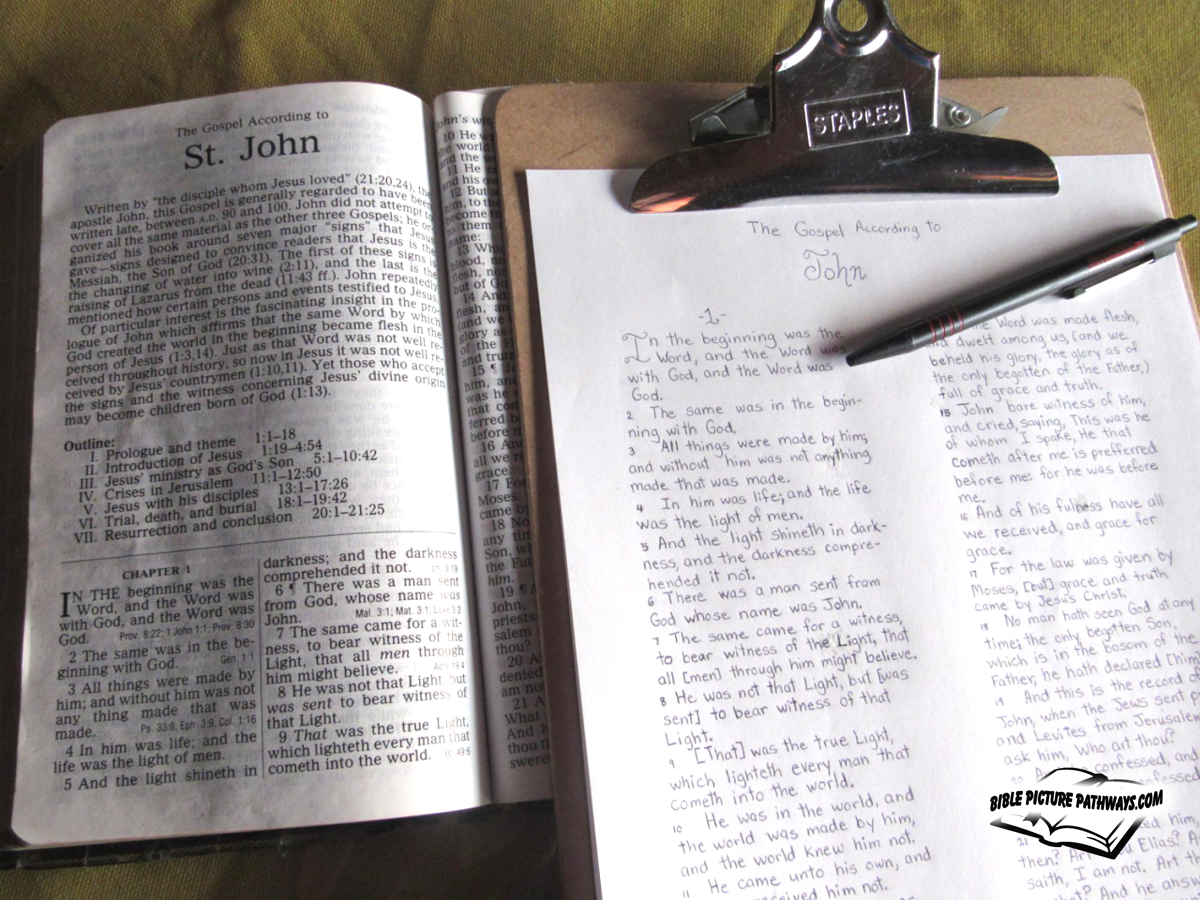
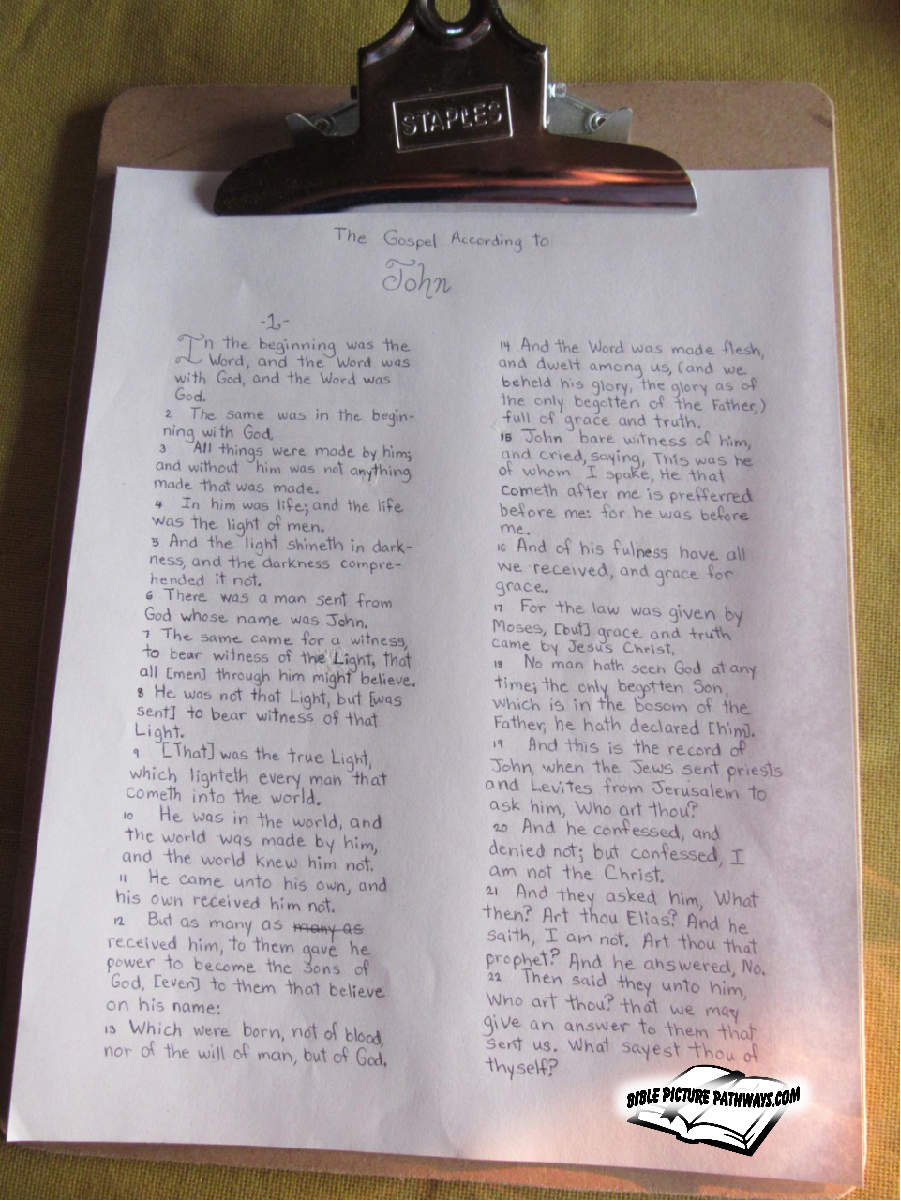
In the picture below, I used the dark-lined paper behind a sheet of plain copy paper. In good lighting, you can see through it enough to tell where the lines are and be able to follow them. Since this leaves no lines on your paper, it looks nicer in the long run.  But my experience is that it a little harder than using the lightly-lined paper. 
One more thing to consider in copying the Bible is what you are going to do if you make a mistake. I made about five mistakes writing the first 22 verses of John. I also noted that if I had written both columns first and then written the title, it would have been easier to center the word John on the page. 

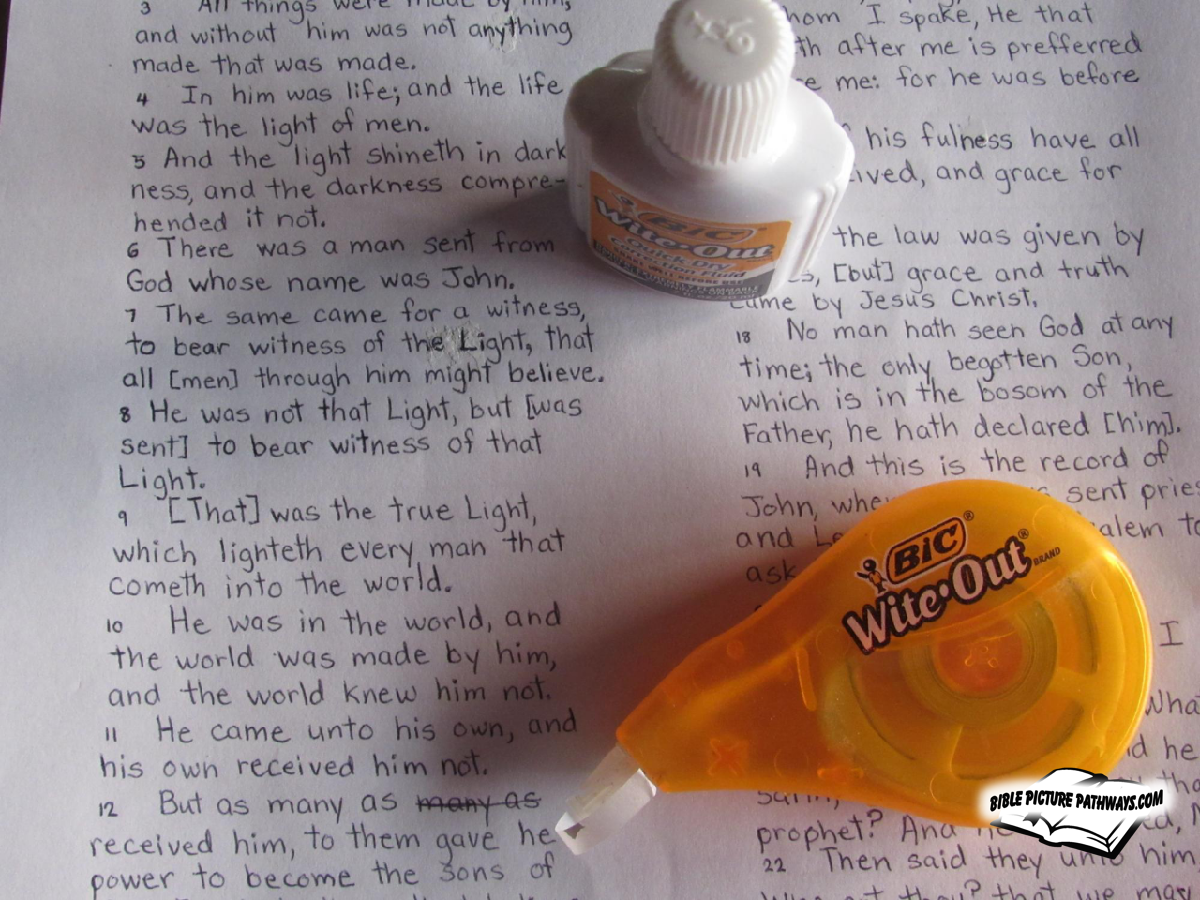
Some of the mistakes were small and could be remedied with a little whiteout (although I don't like the look and my whiteout was half dried out). But you can see the mistake at the bottom: the "many as" duplication; I did not notice until after I had written the entire verse. At this point, you will have to decide whether to do a strike-through and keep the page or scrap the entire page and start over again. There are many rules the Levitical scribes used when copying the scriptures. On page 33 in Sword Unsheathed, it lists number 7 as: "The revision (to correct any errors) of a roll must be made within thirty days after the work was finished; otherwise it was worthless. One mistake on a sheet condemned the entire sheet. If three mistakes were found on any page, the entire manuscript was condemned." By their standards, my first page of John would have been condemned, and I would have had to start all over again. 
 Again, you will have to decide what your purpose is in writing out the Bible. As for me, I decided it might be worth investing in some erasable pens so my mistakes can be more easily amended and fixed. 

Whatever the case, the experience of writing out a portion of the Bible has made me appreciate more than ever the Bible I hold in my hands today. I now understand a little more the self-sacrificing efforts of the people who have carefully copied, recopied, and transmitted the Bible down through the ages to our day. And frankly, I think even if you don't really want to write out the entire Bible, it might be worth choosing one of the books to write out so you too can better appreciate how "It is [and has been] written, That man shall not live by bread alone, but by every word of God."  Luke 4:4